Delhi's Best Farmers Markets and What to Buy in Season Right Now
July's monsoon flush brings a wave of affordable, nutrient-dense produce to the capital's weekly markets — if you know where to look.
July's monsoon flush brings a wave of affordable, nutrient-dense produce to the capital's weekly markets — if you know where to look.
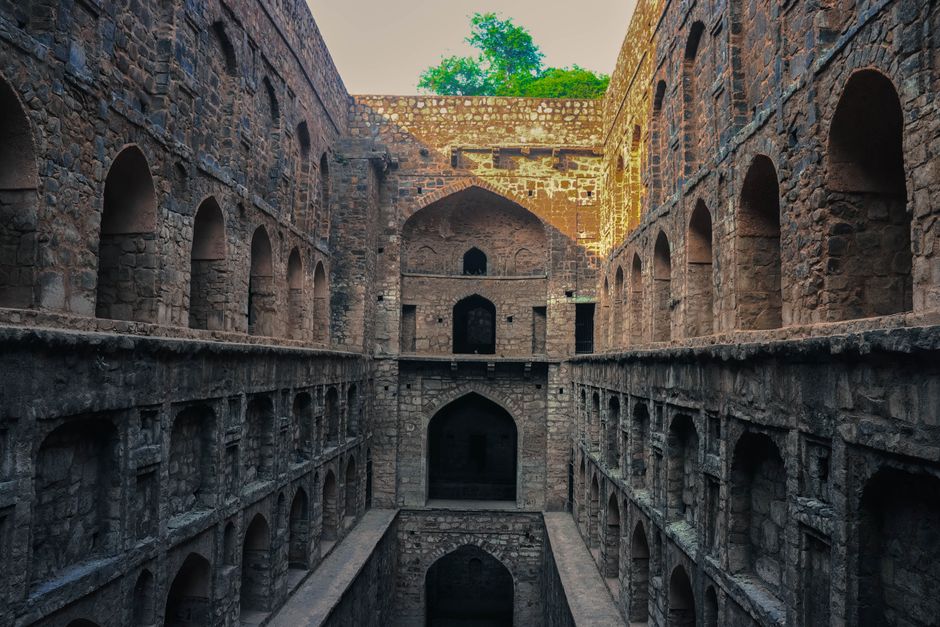
Karela is back. So is ridge gourd, snake gourd, and the first flush of arbi from farms along the Yamuna floodplain. Delhi's farmers markets have shifted into full monsoon mode, and for anyone serious about eating well without wrecking a budget, the next eight weeks are the single best window of the year to do it.
The timing matters beyond seasonal enthusiasm. India's Consumer Food Price Index registered a 6.2 percent spike in processed food costs in the first quarter of 2026, according to data published by the Ministry of Statistics and Programme Implementation in May. Fresh, local produce bought direct from growers remains the clearest hedge against that pressure — and Delhi has built a surprisingly robust infrastructure for exactly that kind of shopping.
The INA Market in South Delhi's Andrews Ganj neighbourhood remains the city's most dependable source of farm-fresh vegetables on a daily basis, but two dedicated farmers market formats have grown significantly in the past 18 months. Dilli Haat, the crafts-and-food complex on Sri Aurobindo Marg in INA, hosts a rotating produce section on weekends where growers from Sonipat, Panipat, and parts of Haryana bring vegetables harvested within 48 hours of sale. Entry costs ₹100 for adults. The produce stalls open by 9 a.m. and the better vendors — those carrying certified-natural or low-pesticide tags — tend to sell out before noon.
The second address worth building a Saturday routine around is the Organic Farmers Market held every weekend at the Maati collective in Lado Sarai. It pulls roughly 35-40 vendors, many of them small landholders from Uttarakhand and the hills around Dehradun, who transport directly to the capital. Leafy greens here — amaranth, bathua, and methi — run between ₹20 and ₹40 per bunch, roughly half the price of the same produce pre-packaged in a supermarket. The collective has operated continuously since 2019 and posts its vendor list on a WhatsApp channel updated every Thursday.
For those in North Delhi, the Pitampura area hosts a smaller but consistent Tuesday market near Rohini Sector 9 Metro station where local aggregators bring produce pooled from UP border villages. It lacks the polish of Lado Sarai but prices are lower, and the variety of gourds in July and August is hard to match elsewhere in the city.
Monsoon produce in Delhi splits into two useful categories: the bitter vegetables associated with gut health and the water-rich climbers that serve as natural hydrators during the humidity spike. Karela — bitter gourd — tops most nutritionists' July lists because its compounds have been studied for blood sugar regulation; AIIMS New Delhi's Department of Endocrinology has referenced it in patient dietary guidance for Type 2 diabetes management. It sells for around ₹30-50 per kilogram at farmers markets versus ₹80-100 at supermarkets in Vasant Kunj or Saket. Tinda, the Indian round gourd, is similarly priced and particularly well suited to the lighter cooking that humid weather demands.
Arbi — taro root — deserves more attention than it gets. It carries meaningful potassium and dietary fibre content, it's available in abundance at both INA and Lado Sarai through September, and it costs ₹25-35 per kilogram from growers. Corn is everywhere right now, hawked on nearly every street corner from Connaught Place to Laxmi Nagar, but the cobs at farmers markets come without the salt-and-butter treatment and lend themselves to roasting or adding to dal.
Practical guidance: arrive early, carry your own cloth bags, and plan around what's visually abundant rather than what you intended to buy. Abundance signals a strong local harvest and means better pricing. Ask vendors specifically about pesticide practices — the question alone signals to them that you're a discerning buyer and often prompts more honest answers. The Delhi government's Agriculture Department runs a helpline — 1800-180-1551 — where callers can verify which market vendors have registered under its low-chemical cultivation scheme. It's an underused resource. If you're managing a specific health condition and want to build a seasonal eating plan around what's available, a consultation with a registered dietitian at Safdarjung Hospital's outpatient nutrition clinic is worth the short wait.
How does this story make you feel?
Spread the word
About this article
Published by The Daily Delhi
Daily brief
Free, in your inbox before 7am. Weekdays.
More in Wellness


