Fresh zoning changes and affordable housing mandates announced this week could reshape residential development across the capital—but implementation remains uncertain.
A deep dive into the data behind the Municipal Corporation of Delhi's spending patterns exposes a stark gap between allocated funds and ground-level delivery.
As the city's infrastructure undergoes unprecedented expansion, a deeper look at the statistics shows both ambitious progress and persistent challenges in serving a metropolitan area of 32 million.
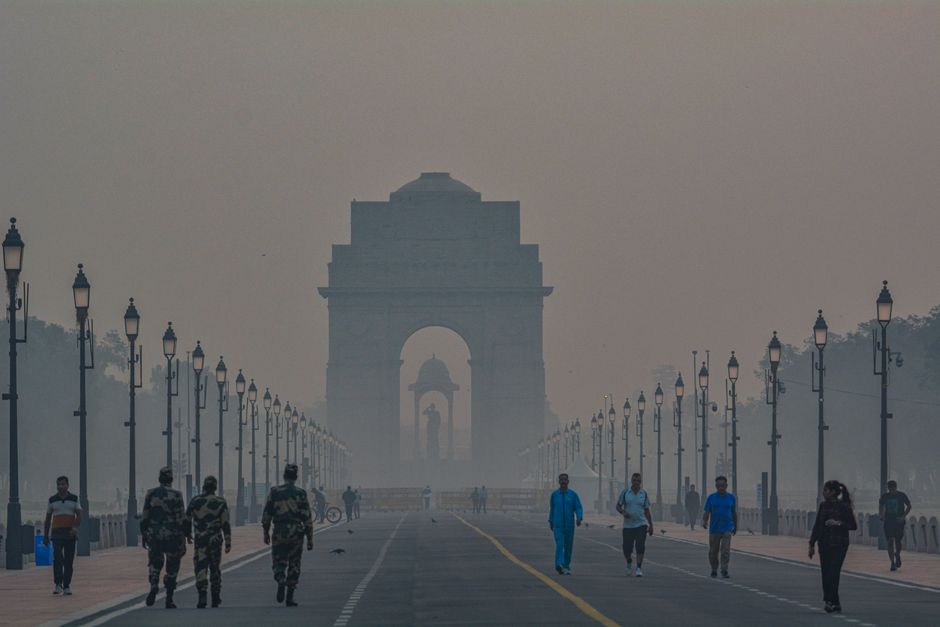
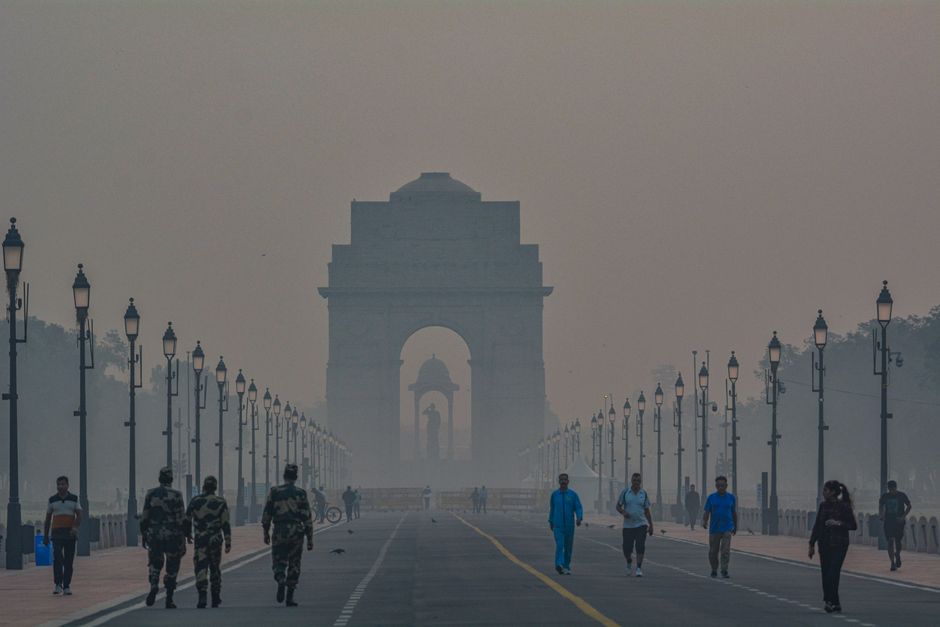
As the city grapples with air quality crises and water stress, officials face crucial choices on public transport expansion, construction waste management, and green space preservation—each with profound implications for 30 million residents.
As violent incidents spike across South and East Delhi, community members say police response times and street safety measures remain dangerously inadequate.
As resident welfare associations struggle with dwindling resources, municipal leaders and urban planners outline competing visions for grassroots community governance across the capital.
Fresh data on Delhi's real estate paradox shows how policy decisions are widening the gap between supply and affordability across the city's expanding urban landscape.
As the capital grapples with an influx of internal and international migrants, city administrators and social scientists are calling for coordinated housing and employment strategies.
Years of underfunding and policy paralysis have left thousands of government schools across Delhi deteriorating, forcing families to seek expensive private alternatives.
While Western cities struggle with migrant housing and social cohesion, Delhi's informal networks and community-led initiatives offer a different blueprint for urban multiculturalism.
As schools across the NCR adopt hybrid learning models, new data reveals Delhi is catching up to—but still lagging behind—tier-one international education cities in tech integration and accessibility.
As safety concerns reshape residential Delhi, data reveals which neighbourhoods are leading India's grassroots security movement—and why numbers matter more than sentiment.
Senior law enforcement and disaster management experts cite rising street crimes, traffic accidents, and heat-related emergencies as monsoon season approaches the capital.
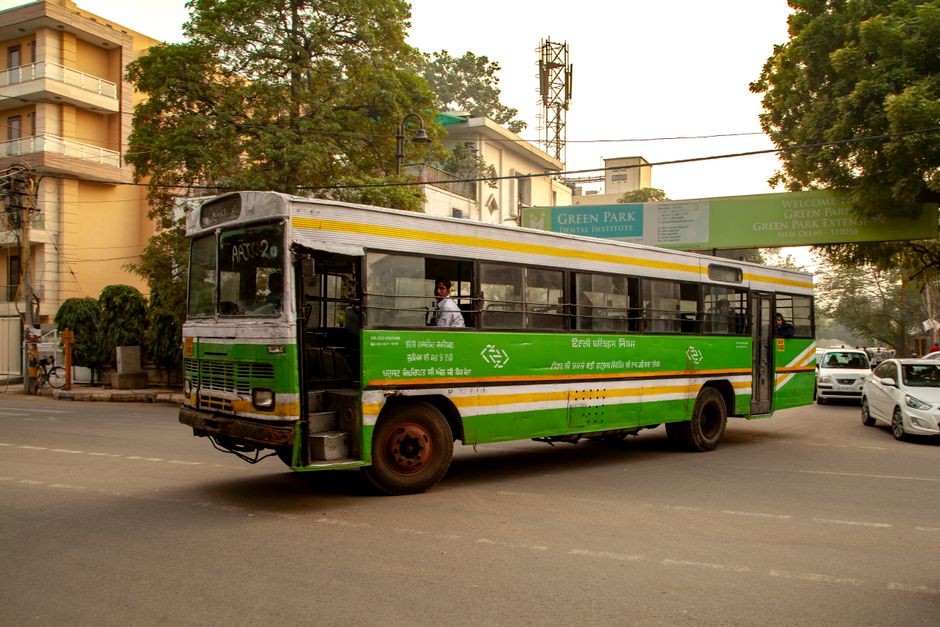
As the Delhi Metro Rail Corporation races to complete three new corridors by 2028, residents in Dwarka, Chattarpur, and Greater Noida are already feeling the seismic shift in their neighbourhoods.
As the municipal corporation delays promised landfill remediation, local community leaders and affected families demand accountability from city administrators.
As the city upgrades waste management and digital services, experts say it's catching up with Shanghai and Singapore—yet local accountability still lags behind.