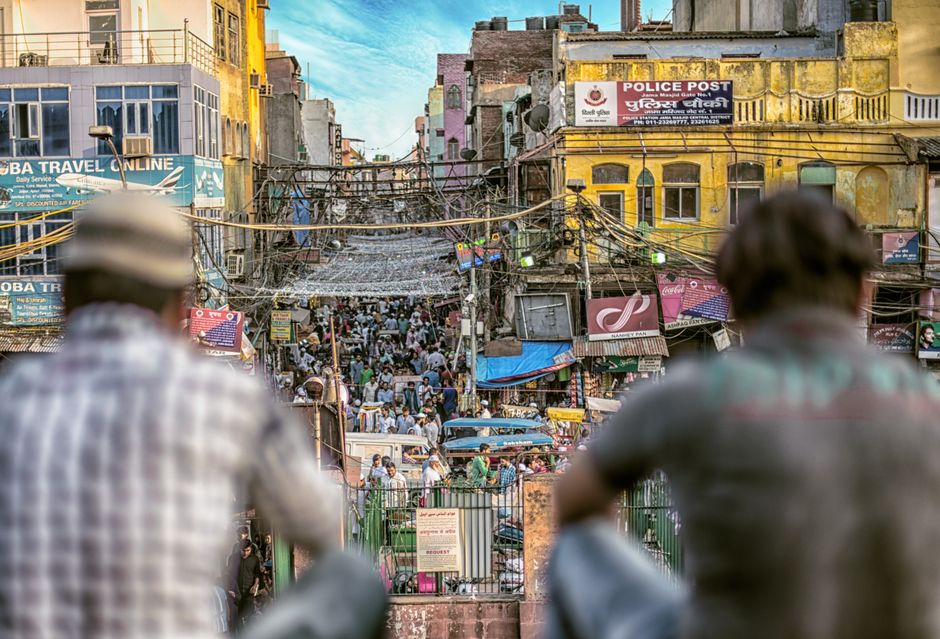
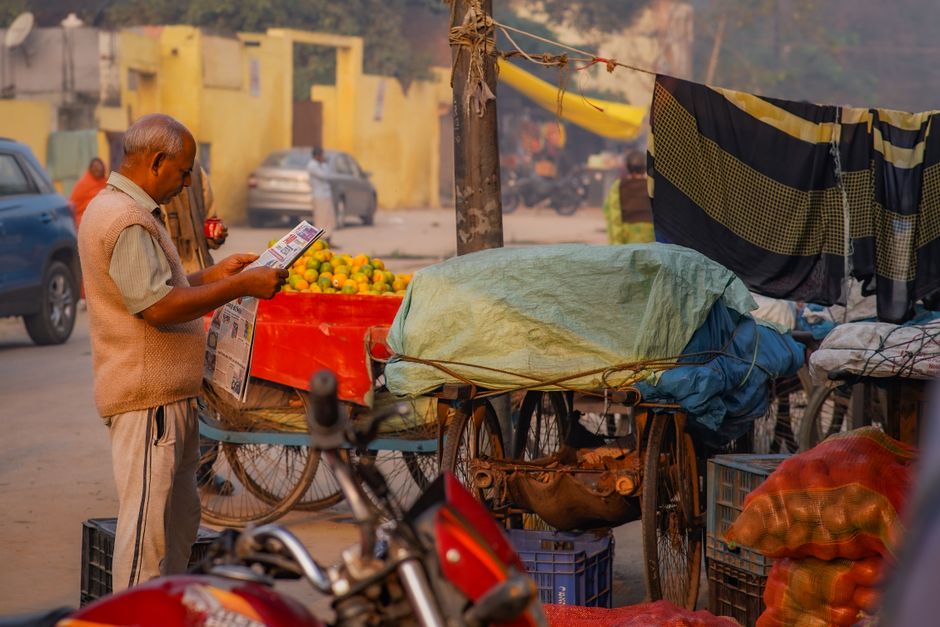
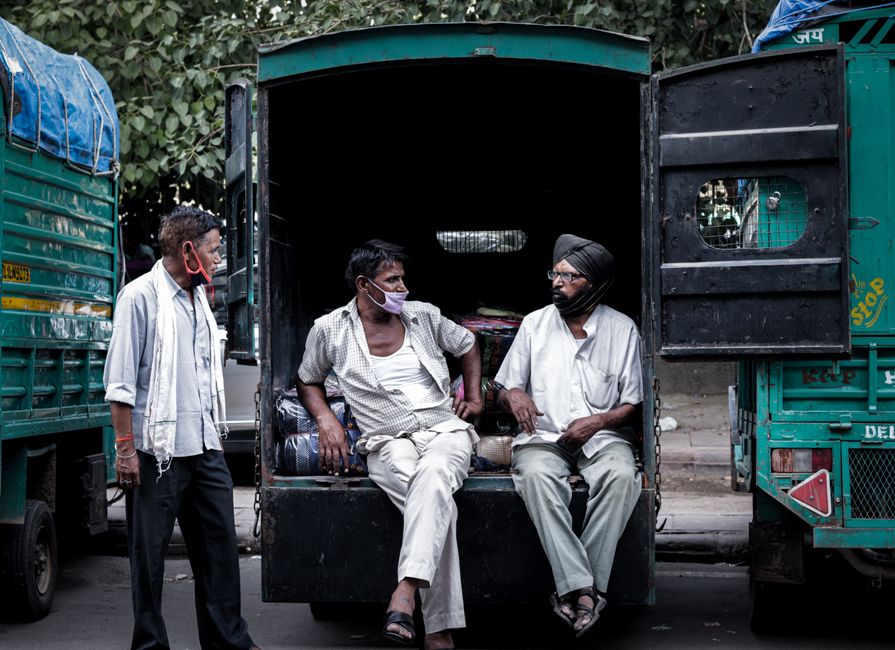
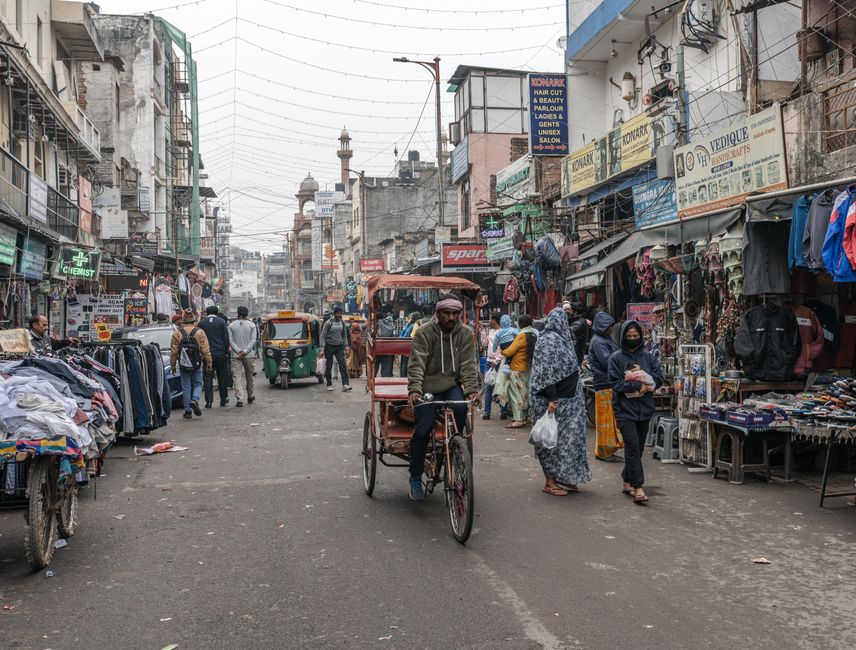
As global migration pressures intensify, the capital must decide whether to formalize informal economies or tighten borders—and residents are caught between both futures.
From the Master Plan 2021 to today's crunch, a series of policy bottlenecks and implementation gaps have left the capital struggling to house its rapidly expanding population.
While India's capital strengthens its fire and police infrastructure, international peers in Shanghai, Dubai and Singapore are setting new standards in crisis management that raise uncomfortable questions about speed and coordination.
With the 2026-27 session starting in July, Delhi's principals and administrators face critical decisions on curriculum reforms, fee structures, and digital infrastructure that will shape the next decade.
New data reveals that nearly 4.2 million internal migrants now call Delhi home, fundamentally altering housing markets, labour patterns, and social infrastructure across the capital.
As the capital braces for peak monsoon season, key municipal figures outline priorities ranging from waterlogging mitigation to affordable housing expansion across the city's 11 districts.
As educational institutions across the capital raise tuition costs by up to 15 per cent, families from South Delhi to Dwarka share their struggles with affordability and declining standards.
As the Municipal Corporation of Delhi faces mounting infrastructure deficits and dwindling revenue streams, councillors must decide on property tax hikes, waste management reforms, and water supply expansion—decisions that could reshape neighbourhoods from Dwarka to Shahdara.
As the city races to expand its rapid transit network, experts say Delhi is learning lessons—and repeating mistakes—from Shanghai, Singapore and beyond.
As groundwater levels plummet across the city, a Hauz Khas resident association's community initiative offers a blueprint for neighbourhood resilience that experts say Delhi urgently needs.
As crime and public safety challenges mount across the world's largest cities, Delhi's police and emergency services are adopting strategies that rival—and sometimes surpass—those of comparable urban centres.
Residents across Jhilmil Colony, Shadpur, and the Walled City share urgent concerns about housing, healthcare access, and workplace protections as internal migration reshapes the capital.